
 Contact Us
Backwater Valve Installation Toronto
Protect your home from unexpected basement flooding with professional backwater valve installation in Toronto. Our licensed plumbers install city-approved valves that prevent sewage from flowing back into your drains during heavy rains or municipal backups.
Backwater Valve Installation in Toronto Protects Your Home from Sewer Backup
When the city mains surcharge during storms, wastewater can reverse direction and push into fixtures at the lowest point of your home. Choosing backwater valve installation in Toronto adds a dependable one-way gate that shuts during reverse pressure and reopens for normal flow. DryNest handles permits, tidy site setups, and documented inspections so you get reliable protection against messy, costly flooding. If you have a finished lower level or plan to create one, this upgrade shields floors, appliances, and air quality. Our crews bring local experience, clean field work, and responsive scheduling across Toronto and nearby suburbs.
Call Us: +1 (647) 561-7608What is Backwater Valve?
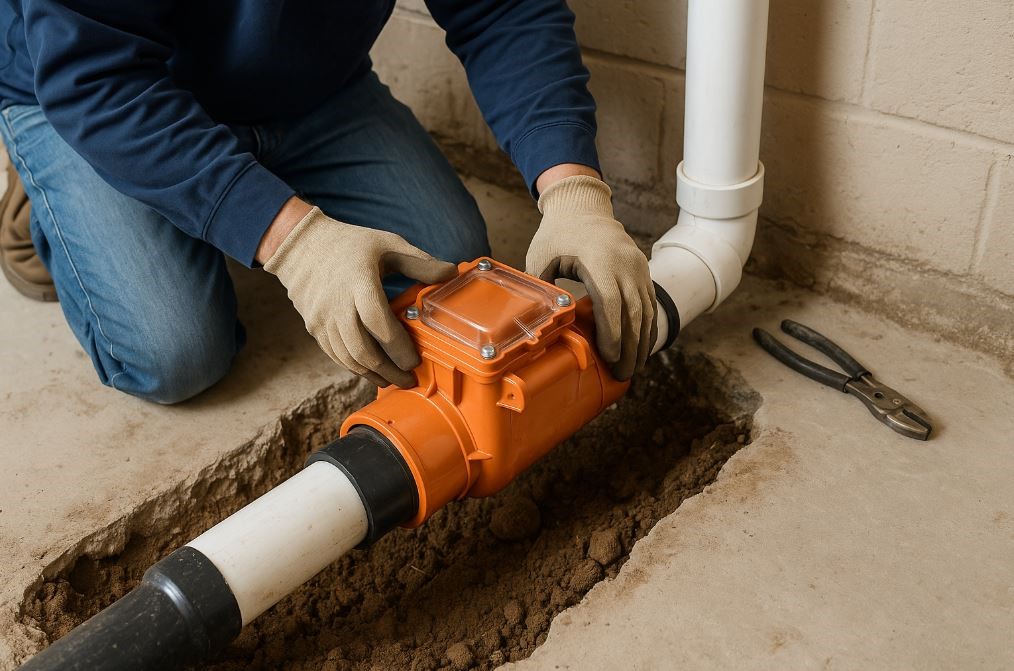
A backwater valve is a one-directional device placed in the sanitary line to stop backflow from the municipal sewer. In everyday use, the gate stays open and wastewater exits the building. During an overload, the flap lifts to block the line so contaminated liquid cannot return indoors. Many owners install a backwater valve in the basement because the main lateral is accessible near at-risk fixtures. In renovated suites, a basement backwater valve can be the difference between a quick reset and days of cleanup. Planning a backwater valve in the basement early lets you position the access cover for easy maintenance or part replacement. For homeowners comparing backwater valve Toronto options, DryNest uses CSA-approved valves with sturdy lids that make seasonal checks fast.
 Backwater Valve Installation Toronto
Backwater Valve Installation Toronto
Backwater Valve Installation Toronto
Backwater Valve Installation Toronto
Backwater Valve Installation Toronto
Backwater Valve Installation Toronto
Backwater Valve Installation Toronto
Backwater Valve Installation Toronto
Backwater Valve Installation Toronto
Backwater Valve Installation Toronto
Backwater Valve Installation Toronto
DryNest Backwater Valve Installation Process
Our backwater valve installation in Toronto is clean, code-compliant, and delivered by professional crews who respect your property and schedule.
-
Step 1

Assessment
We map the sanitary line, verify elevations, and run a camera inspection to confirm condition, flow, and best access. You receive a concise plan and timeline before any work begins.
-
Step 2
Preparation
We protect finishes, set dust control, confirm utilities, and stage fittings so service interruptions stay brief and pathways remain clear.
-
Step 3
Excavation
A precise slab opening is cut to reach the lateral. We excavate carefully, separate soils for backfill, and shield adjacent finishes for a small, neat access footprint.
-
Step 4
Wall Cleaning
We expose enough pipe for straight cuts, remove scale, and clean the exterior. Smooth pipe ensures couplers seal correctly and the system remains leak-free.
-
Step 5
Installation
The valve is inserted with the arrow aligned to normal flow. Approved couplers are torqued to spec, and a vertical riser is added for future viewing. The access cover sits flush for safe, simple checks.
-
Step 6
Connection
Branches are reconnected, slopes verified, supports secured, and the access is labeled. If helpful, we add a monitoring point for quick diagnostics.
-
Step 7
Testing and adjustment
We simulate reverse pressure to verify closure and watch the flap reseat as conditions normalize. Minor tweaks happen on the spot, so performance is correct on day one.
-
Step 8
Restoration
We compact the trench, pour back concrete, and patch finishes. Turnover includes photos, manuals, and straightforward maintenance steps.
When Do You Need Backwater Valve Installation?
1. Storm-prone streets and low lots: Addresses with frequent heavy rain and pooling have a higher risk of sewer reversal. A valve lowers the chance of a backup.
2. Past backup events: Surges through floor drains or showers indicate vulnerability. Installing a device reduces the likelihood of a repeat.
3. Basement upgrades or new suites: Protect new finishes by adding a valve and a clearly located access cover. It pairs well with sump systems.
4. Code or permit triggers: Some projects require a device. We clarify rules and handle the paperwork.
5. Insurance preferences: Carriers may request this safeguard before renewing or discounting premiums. A documented install keeps coverage straightforward.
Why Choose DryNest For Backwater Valve Installation?
-
Seasoned local crews - We install valves across the city weekly, applying methods honed by real Toronto conditions and permit processes.
-
Credentials that matter - Insured, professional teams document the work, secure approvals, and test thoroughly for a compliant result that lasts.
-
Rapid help during storm season - Coordinators prioritize emergency bookings when forecasts turn, reducing downtime and disruption.
-
Tailored layouts - Device size and placement match your geometry, fixture elevations, and access needs for smooth future care.
-
Predictable schedules - We organize excavation, installation, inspections, and restoration to finish on time.
Licensed Toronto Waterproofing Professionals You Can Count On
Get A Free EstimateDryNest Basement Flooding Protection Rebate Program
Many municipalities offer funding to encourage resilience upgrades. Our office organizes the program paperwork and keeps applications clean, so reviews are efficient. If you are researching backwater valve rebate Toronto, we explain current incentives and how they apply to your address.
How DryNest Helps You Qualify
-
Code-compliant scope with licensed plumbing partners, plus photos and measurements for your file.
-
Itemized invoices and, when useful, camera footage documenting line condition and placement.
-
Complete permit preparation, inspection booking, and a ready-to-submit rebate package.
Requirements to Qualify:
-
A licensed contractor completes the scope and issues a detailed receipt.
-
Proof of payment accompanies the submission.
-
Permit and final inspection sign-off are typically required.
-
Below-grade fixtures must be vulnerable to flooding.
How Does A Backwater Valve Work?
1. Directional Flow: Installed in line, the unit allows household discharge to exit toward the municipal drain. An arrow on the body confirms orientation.
2. Flap Mechanism: A hinged gate swings open with outbound flow and rises to seal when pressure appears in the sewer. A gasketed edge keeps the seal tight.
3. Automatic Operation: No switch or power is needed. When pressure normalizes, the gate drops and service continues.
4. Maintenance Access: A riser and gasketed lid let you check, clean, or swap parts without breaking concrete. Simple seasonal checks maintain reliability.

How To Install A Backwater Valve By Yourself?
-
Know the regulations - Verify approved models, permits, and inspections.
-
Pick the location - Select a straight section of pipe with room for an access box and avoid elbows.
-
Stage the area - Protect finishes, mark the cut, and gather tools.
-
Open and cut - Remove the slab, excavate carefully, clean the pipe, and make square cuts.
-
Set the device - Dry-fit the valve with arrows aligned, then secure with approved couplers.
-
Secure and seal - Torque clamps correctly, brace the assembly, and set a gasketed access cap.
-
Test thoroughly - Flush fixtures and simulate backflow. Confirm the flap closes and resets.
-
Backfill and finish - Compact the base, pour back concrete, schedule the final inspection, and label the access.
DryNest Maintenance Support:
-
Annual service plans for full inspection and cleaning
-
Available for both new and existing valves, even if installed by another company
-
Option to combine inspections with other waterproofing services
What is the cost of Backwater Valve Installation in Toronto?
Key factors that influence estimates:
-
Valve type and material grade
-
Excavation access and slab thickness
-
Permit requirements and inspection fees
-
Restoration complexity for floors and finishes
-
Existing plumbing configuration and tie-ins
Average Cost Range
The average cost of backwater valve installation in Toronto typically ranges from $1,500 to $3,000. Budgets reflect site realities, not just the device. If you are comparing backwater valve installation cost, expect an itemized range that factors in access, depth, and restoration, plus potential savings if you qualify. Homeowners searching for Toronto backwater valve pricing also receive guidance on timelines and rebate scheduling.
Free Estimate + Rebate Support
DryNest offers a free consultation and quote, including a rebate eligibility check. Our team guides you through the entire process, from permit filing to final inspection – so your installation qualifies without hassle.
Free Backwater Valve Installation Consultation
Hassle-free rebates, guaranteed. Book a no-cost visit across Toronto and the GTA. A DryNest technician reviews your layout, confirms ideal placement, and advises on rebate eligibility. You receive a clear scope, expected on-site time, and a checklist so approvals move quickly.
Get A Free Estimate-
Camera review of the line when conditions warrant.
-
Recommendation of device style based on flow direction and access limits.
-
Estimate of excavation footprint and restoration area.
-
Complete rebate checklist covering permits, paperwork, and milestones.
FAQs About Backwater Valve Installation
How long does it take to install a backwater valve?
Most homes are completed the same day, with essential fixtures running by evening. Deep lines or complex layouts can add a second day.
Do I need to maintain my backwater valve after installation?
Yes. Seasonal checks and occasional cleaning keep the flap free of debris and ready for storms.
Why do I need a backwater valve in my home?
It blocks reverse flow during municipal surcharges, reducing the chance that contaminated water enters lower fixtures.
What is the Toronto Basement Protection Subsidy Program?
It is a local incentive that offsets costs for resilience upgrades such as valves and sump systems. We explain eligibility and assemble the application.
What should I do if my backwater valve is not working?
Pause use of lower fixtures and book service. A quick inspection typically reveals whether cleaning or repair is needed.
Can you install a backwater valve in an older home in Toronto?
Yes. Older properties often benefit the most. We check materials, access, and code expectations before proposing a plan.
How do I know if a backwater valve is installed in my home?
Look for a gasketed access lid near the main line. If unsure, we can scan the pipe with a camera.
What is the life expectancy of Backwater Valve?
Quality units last for many years with routine maintenance. Usage, debris load, and care influence longevity.
Why is water coming out of my Backwater Valve?
A loose cap, worn gasket, or line pressure could be the cause. Stop water use and schedule diagnostics.
What Causes the Failure of Backwater Valves?
Debris on the flap, poor slope, worn seals, or incorrect installation are common. Regular checks and timely replacement of consumables prevent most issues.