
 Contact Us
Battery Backup Pump Installation Toronto
Protect your basement from flooding even during power outages with professional battery backup pump installation in Toronto. Our certified technicians install reliable backup systems that keep your sump pump running when you need it most.
Trusted Battery Backup Sump Pump Experts in Toronto
When storms hit Toronto and the lights flicker, you need a safeguard that keeps water moving away from your home. DryNest specializes in sump pump battery backup solutions that keep your primary pump working when the grid falters or equipment stalls. Our crews deliver clean, code-compliant work and quick service, building long-term protection against flooding.
Call Us: +1 (647) 561-7608Why Install a Sump Pump Battery Backup?
A sump pump battery backup helps the pump run if your house loses power. The backup is an independent source that starts on cue, so discharge continues even during an outage.
1. Emergency readiness: When storms knock out the electrical supply, a sump pump battery keeps water moving, so the pit does not overflow.
2. Coverage for equipment hiccups: If the primary unit jams or seizes, many backups include an auxiliary pump that takes over until you can schedule service.
3. Continuous operation: With a second energy source on standby, the pump runs through long rain events and snowmelt, which helps keep floors, walls, and stored items dry.
4. Cost control: A relatively small upgrade can prevent thousands in damage to finishes, furniture, and electronics.
5. Peace of mind: You can travel or sleep through a storm knowing an automatic layer of defense is ready to act.
Investing in hardware to back up the sump pump battery helps prevent surprises, supports your foundation, and lowers the chance of a leak turning into a crisis.
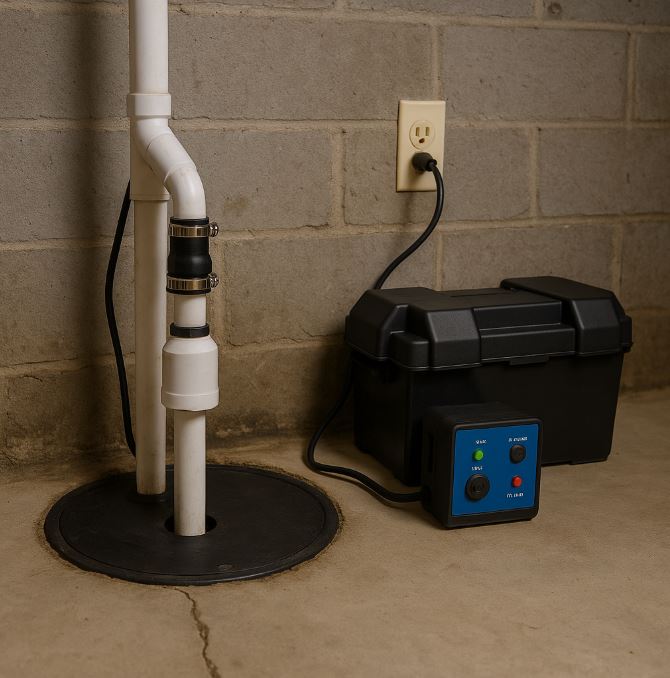 Battery Backup Pump Installation in Toronto
Battery Backup Pump Installation in Toronto
Battery Backup Pump Installation in Toronto
Battery Backup Pump Installation in Toronto
Battery Backup Pump Installation in Toronto
Battery Backup Pump Installation in Toronto
Battery Backup Pump Installation in Toronto
Battery Backup Pump Installation in Toronto
Battery Backup Pump Installation in Toronto
Battery Backup Pump Installation in Toronto
Battery Backup Pump Installation in Toronto
DryNest Battery Backup Pump Installation Process
We provide a neat, transparent process so your home is protected before the next storm.
-
Step 1

Compatibility Check with Existing Sump System
Our technician examines the pit size, check valve, discharge route, and amperage to match a backup that integrates cleanly with the existing setup. We confirm capacity and discuss runtime goals.
-
Step 2
Backup Pump Selection
We recommend a model based on head height, expected rainfall, and your preferences for alarms or smartphone alerts. This is where we decide between a pure sump pump battery backup and a kit with an auxiliary pump.
-
Step 3
Battery Box and Control Module Setup
We mount the enclosure above floor level, connect charging leads, and secure venting as required. All wiring follows electrical best practices.
-
Step 4
Integration with Discharge Line
The auxiliary pump, if included, is plumbed into the line with an additional check valve to prevent recirculation. We keep the layout tidy for easier maintenance.
-
Step 5
Cycle Test and Alerts Setup
We simulate power loss, verify runtime, and configure alarms. You learn simple upkeep steps and how to read status lights.
What Happens Without Battery Backup Installation?
Skipping a backup invites risk during the exact moment you need help most.
1. Greater exposure to flooding: When outages strike, the pit fills and water rises toward finished areas.
2. No control over grid failures: Storms or transformer issues can knock out power anytime. Waiting for restoration is not a plan.
3. Pumping shortfall in extreme weather: Prolonged rain can outpace an aging primary motor. Without support, a wet floor becomes likely.
4. Expensive damage: Flooring, drywall, electronics, and keepsakes are easily ruined.
5. Health risks: Standing water promotes mold and bacteria, which harm indoor air quality.
Why Choose DryNest for Battery Backup Pump Installation?
-
Local expertise and careful workmanship. Our crews handle dozens of projects monthly and protect finishes while we work.
-
Credentialed teams. You get a professional installation by insured technicians who document every step.
-
Fast scheduling when storms loom. Coordinators prioritize urgent visits when forecasts point to heavy flooding.
-
Tailored configurations. We select gear that suits your pit size, head height, and preferred alarms.
-
Clear communication. Expect plain pricing, clean work areas, and friendly follow-up.
Licensed Waterproofing Professionals You Can Count On
Get A Free EstimateDryNest Basement Flooding Protection Rebate Program
Some municipalities offer incentives to improve resilience. DryNest helps you navigate the paperwork so you can claim available funding and shorten approval timelines.
How DryNest Helps You Qualify:
-
Code-compliant scope completed with licensed partners.
-
Organized package including invoices, photos, and, when applicable, camera footage.
-
Full permit filing and a ready-to-submit rebate application.
Requirements to Qualify:
-
Installation completed by a licensed contractor.
-
Proof of payment and a detailed invoice.
-
Permit and final inspection when required.
-
Below-grade fixtures or piping that are vulnerable to backflow or flooding.
How To Install Sump Pump Battery Backup By Yourself?
If local rules allow DIY and you are comfortable with electrical safety around water, here is the high-level approach.
1. Select the right kit: Choose a unit that matches pit depth and runtime needs. Decide between a pure backup battery for sump pump and a package with a second pump.
2. Gather tools: You will need hand tools, PVC fittings, a check valve, a charger, and secure mounting hardware.
3. Read the manufacturer's guide: Review wiring and clearance requirements before starting.
4. Prepare the pit: Clear debris, confirm the primary float moves freely, and make room for the backup unit.
5. Connect the backup battery: Mount the enclosure above splash zones and attach leads per polarity and torque specs.
6. Tie into the discharge: If a secondary pump is included, connect it to the line with its own check valve.
7. Test thoroughly: Simulate an outage to ensure the sump pump battery backup activates and moves water.
8. Maintain awareness: Note alarm tones or app messages, and keep the area accessible for routine checks.
For many homes, battery backup sump pump installation by pros is the smartest path, protecting warranties and ensuring safe wiring. We also handle backup sump pump installation when your main motor is undersized.

How Does A Sump Pump Battery Backup Work?
-
Instant switch. If household power drops, the controller senses the change and starts the backup energy source and, when configured, its auxiliary pump.
-
Battery power. The battery remains charged during normal conditions, supplying current whenever needed. Many owners call it a secondary batterie because it sits ready like a car battery.
-
Monitoring. The controller watches the primary unit. If it stops for any reason, the backup activates and keeps water moving.
-
Extra pumping. Some kits add a second pump to the pit. If the main unit fails mechanically, the auxiliary pump takes over.
-
Alerts. Audible alarms or app notifications signal that the backup is running or the battery needs attention.
-
Compatibility. DryNest verifies that the gear matches your pit, fittings, and existing wiring, so performance is smooth and safe.
What Causes Primary Sump Pumps To Fail?
-
No power. Outages, tripped breakers, or a failed outlet stop the motor. A backup battery for sump pump keeps pumping during these events.
-
Stuck switch. A jammed float or clogged sensor blocks activation. A backup with its own float can save the day.
-
Blocked pipes. Ice, debris, or scale restricts drain flow. When outlets slow, water rises in the pit and overwhelms the unit.
-
Too much water. Intense rainfall can exceed capacity. A backup with higher throughput buys time until the storm eases.
-
No cleaning. Lack of routine cleaning allows grit to grind parts and shorten life.
-
Just old. Motors and impellers wear out. Aging equipment often quits during the first tough storm of the season.
What Is The Cost Of Battery Backup Pump Installation in Toronto?
Key factors that influence estimates:
-
Backup Capacity & Equipment Quality
-
Installation Complexity
-
Pump Type & Site Conditions
-
Electrical & Plumbing Requirements
-
Permits, Codes & Local Conditions
Average Cost Range
Installing a battery backup pump in Toronto generally costs between $300 and $700+ per pump.
Budgets vary with features and site conditions, but DryNest keeps pricing transparent. We provide a written quote so you can balance runtime, alarm features, and capacity. If you are comparing sump pump battery backup installation with a kit that includes a secondary pump, we explain both paths. For owners adding a battery backup for an existing sump pump, expect a quick visit with minimal disruption. Some homes need a backup battery for sump pump installation only; others benefit from a full auxiliary-pump package.
Free Estimate + Rebate Support
DryNest offers a free consultation and quote, including a rebate eligibility check. Our team guides you through the entire process, from permit filing to final inspection – so your installation qualifies without hassle.
Free Battery Backup Pump Installation Consultation
Book a no-cost assessment across Toronto and the GTA. A DryNest technician will review the pit layout, measure head height, and recommend a kit that meets your goals. You will receive a clean proposal, estimated runtime, and a simple maintenance checklist tailored to your home.
Get A Free Estimate-
System Inspection
-
Power & Electrical Evaluation
-
Pump Capacity & Battery Sizing
-
Installation Feasibility
-
System Features & Integration
-
Code & Rebate Review
-
Quote & Installation Plan
FAQs About Battery Backup Pump Installation
Do I still need a sump pump battery backup if I have a generator?
Yes. A generator can fail to start, run out of fuel, or need setup time. A sump pump battery backup starts instantly and bridges gaps.
How long does a sump pump battery backup last?
Runtime depends on capacity and cycle rate. Many kits provide hours of continuous operation, more with intermittent pumping.
Can you install a battery backup on an existing sump pump?
Absolutely. We integrate a battery backup for existing sump pump setups by adding a controller and power leads, and, when desired, a second pump.
How often should I maintain my battery backup sump pump?
Check monthly for clear status lights, test quarterly by simulating an outage, and replace batteries per the manufacturer's timeline.
Is it hard to install a battery backup sump pump?
For someone familiar with plumbing and electrical safety, it is manageable. Most owners prefer a professional visit for safe wiring and tidy routing.
Is a sump pump battery backup worth it?
Yes. The upgrade offers inexpensive protection against flooding and can prevent major loss during outages.
How long will a sump pump run on a battery backup?
It varies from one to many hours depending on head height, cycle rate, and battery size. We size equipment to your risk profile.