
 Contact Us
Sewer and Drain Cleaning in Toronto
Backups rarely start as disasters. They begin with slow drains, gurgling sounds, or a faint odour that comes and goes. DryNest restores clear flow across Toronto and the GTA with precise inspection, targeted clearing, and practical prevention.
Professional Cleaning Sewer Drain Experts in Toronto
When wastewater stalls, you need a team that treats your system like their own. DryNest technicians pair live video camera work with mechanical snaking and hydro-jetting to remove stubborn debris without harming the pipe. You get clear communication, fair pricing, and a written maintenance plan once the blockage is resolved.
Sewer Cleaning Toronto
Mainline problems often come from grease, roots, or crushed sections. Our crew starts with a diagnostic scope, pinpoints the source, then selects the safest method to prevent damage. Searching for sewer cleaning in Toronto usually means you want proof. We record before and after video and provide notes on any repair or replacement that might be needed later. For emergencies, our professional team offers a rapid response that limits flooding risk and keeps your finishes intact.
Drain Cleaning Toronto
Kitchen, tub, and floor drains face a different mix of soap, grease, and hair. DryNest is the trusted local choice for drain cleaning in Toronto, including targeted cleanouts and yearly maintenance that keep branch lines moving. For larger properties, our bundled drain and sewer cleaning services handle everything in one visit and include options for eco-friendly treatments to prevent future buildup. Call Us: +1 (647) 561-7608
Does My Sewer Need Cleaning?
You can spot trouble early by watching for these consistent signs:
1. Changing water level: Toilets are good indicators of normal level. If the level rises or dips repeatedly, a mainline obstruction may be slowing flow and raising the chance of a backup. A scoped inspection with prompt sewer cleaning typically solves it.
2. Foul odour: A lingering smell in more than one room suggests wastewater is stalled in the system. When vents and traps cannot overcome a deep blockage, odours creep indoors and may precede a basement backup.
3. Recurring clogging: If multiple fixtures slow down week after week, individual traps are probably not the source. That pattern points to the main sanitary line and calls for sewer cleaning services rather than quick chemical fixes.
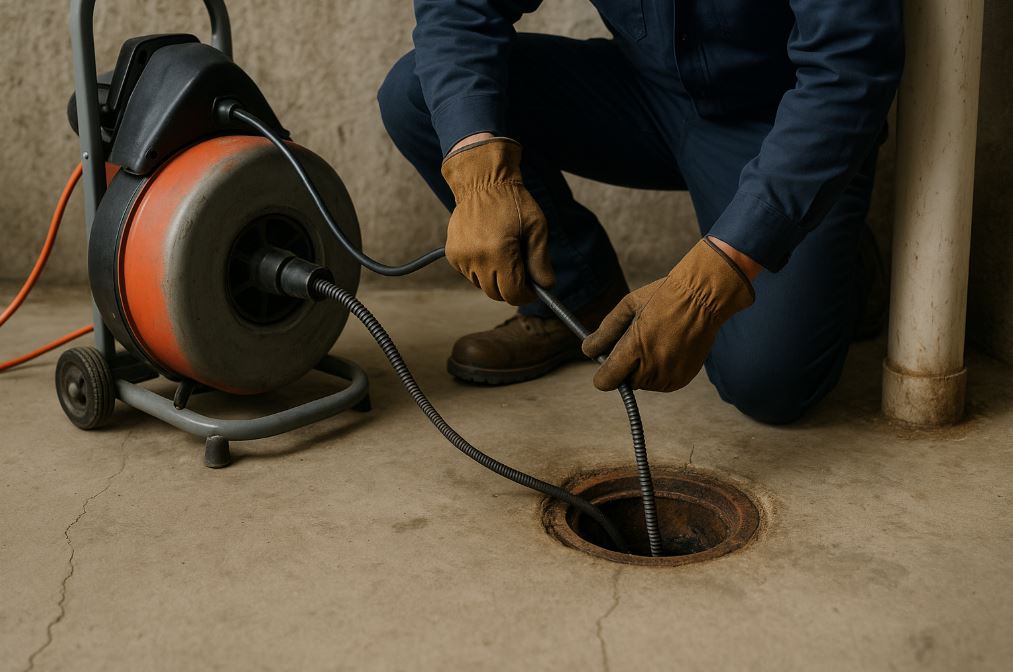 Sewer and Drain Cleaning in Toronto
Sewer and Drain Cleaning in Toronto
Sewer and Drain Cleaning in Toronto
Sewer and Drain Cleaning in Toronto
Sewer and Drain Cleaning in Toronto
Sewer and Drain Cleaning in Toronto
Sewer and Drain Cleaning in Toronto
Sewer and Drain Cleaning in Toronto
Sewer and Drain Cleaning in Toronto
Sewer and Drain Cleaning in Toronto
Sewer and Drain Cleaning in Toronto
DryNest Sewer Drain Cleaning Process
A careful process keeps your home clean and delivers long-term results.
-
Step 1

On-Site Camera Inspection
We feed a high-resolution camera through the line to confirm pipe material, depth, and exact blockage location. You see what we see, which helps prioritize repair or replacement if needed.
-
Step 2
Obstruction Location and Risk Assessment
We determine the source of the problem: roots, wipes, heavy scale, grease, or a settled section. Then we choose a safe method that will prevent damage to your pipe and finishes.
-
Step 3
Drain Clearing via Auger or Hydro-Jet
Compact obstructions are removed using professional snaking tools. Grease and mineral scale respond best to hydro-jetting, which scrubs the pipe interior. For severe intrusions, we outline sectional repair options and a timeline.
-
Step 4
Final Flow Test and Recommendations
We run fixtures simultaneously and confirm a strong, quiet flow. You receive a simple maintenance checklist, a video file, and honest advice on how to prevent a repeat blockage.
Causes of Drain and Sewer Blockages
Here are the most common reasons we find during inspection:
1. Grease and food waste: Cooling grease coats pipes and traps solids, narrowing the line and slowing flow.
2. Tree roots: Tiny intrusions become dense mats that catch every tissue or wipe moving downstream.
3. Foreign objects: Wipes and hygiene products do not break down and tangle into a stubborn blockage.
4. Scale and corrosion: Hard water leaves deposits that shrink the pipe diameter and help reduce capacity.
5. Improper slope or settling: A belly in the line lets debris sit and rot, which invites recurring clogs.
6. Construction debris: Grout, drywall dust, and concrete slurry harden into cement-like plugs.
7. Aging infrastructure: Old clay or cast-iron pipes can crack, collapse, or need spot repair.

Why Choose DryNest for Sewer Drain Cleaning?
-
Local mastery. Our team has deep experience with Toronto soil types, pipe materials, and heritage homes.
-
End-to-end accountability. Licensed crews deliver a complete sewer cleaning, from scope to clearance, with photo and video proof.
-
Fast help when it matters. We prioritize emergency calls, stabilize the situation, and provide clear next steps.
-
Prevention focus. We outline simple habits and scheduled maintenance that prevent future issues and protect the system.
-
Straight answers. You will know whether sewer cleaning services alone will solve the issue or if a small replacement prevents future trouble.
Contact Us and Get your Free Estimate Today!
Get A Free EstimateDryNest Basement Flooding Protection Rebate Program
Improving resilience benefits everyone. Where municipal rebate programs are available, our team prepares accurate paperwork and photo sets, so your application is easy to approve.
How DryNest Helps You Qualify:
-
Licensed team completes code-compliant work handled by professional partners.
-
You receive detailed invoices, photo documentation, and scope videos for submission.
-
We handle permit forms and assemble a complete package that aligns with the program rules.
Requirements to Qualify:
-
Work must be performed by a licensed contractor with proof of payment.
-
A city inspection and final sign-off may be required.
-
Homes with below-grade fixtures at risk of backing up are typically eligible.
How To Maintain Proper Drainage?
Good habits extend the life of your system and prevent surprises:
1. Schedule periodic maintenance: Book seasonal cleanouts to remove grease and scale and to verify capacity.
2. Use drain screens: Catch hair and food particles before they enter the trap. Empty screens regularly.
3. Dispose of waste wisely: Keep wipes, oils, coffee grounds, and stringy vegetables out of the sink.
4. Mind outdoor drains: Clear leaves and sediment near area drains to protect surface flow.
5. Know the warning signs: Slow fixtures in different rooms or repeated gurgling point to a mainline blockage. Call for sewer cleaning before a backup forms.

What Are The Dangers of Blocked Sewer Drains?
-
Backed-up sewage. Wastewater can push up through floor drains or showers, creating unsafe conditions and potential flooding.
-
Persistent odours. Stagnant waste emits gases that spread through living spaces and affect comfort.
-
Water damage. Overflow can ruin drywall, flooring, and furnishings, especially in a finished basement.
-
Pipe damage. Pressure from a severe blockage leads to cracks or bursts that require invasive repair.
-
Pests. Standing water attracts insects and rodents. Addressing the issue quickly protects your household.
DryNest Support
-
Seasonal Checkups: Regular inspections of drainage lines, sump pumps, and grading before heavy rain or thaw seasons.
-
System Diagnostics: Identifying blockages, broken pipes, or incorrect slope that may restrict proper water flow.
-
Maintenance Plans: Custom maintenance programs to keep your waterproofing and drainage systems performing efficiently year-round.
-
Emergency Assistance: Quick-response help for flooding, pump failure, or sudden drainage system issues.
-
Expert Advice: Professional recommendations for upgrading drainage systems, improving surface grading, and preventing water intrusion.
-
Warranty Support: Service and repair coverage for equipment installed by DryNest technicians under our warranty program.
How Much Does Sewer Drain Cleaning Cost in Toronto?
Key factors that affect price
-
Length and layout of the line.
-
Access method when no cleanout exists.
-
Presence of grease, roots, or a collapsed section.
-
Choice between sewer cleaning service flat-rate packages and time-based billing for complex jobs.
Typical Sewer drain cleaning in Toronto costs between $180 and $600 or more, depending on the method and severity of the clog. depending on blockage severity, pipe length, access, and clearing method. Emergency calls, hydro-jetting, or clearing multiple access points may increase the total, although most homes stay within the common range.
Free Estimate + Rebate Support
DryNest offers a free consultation and quote, including a rebate eligibility check. Our team guides you through the entire process, from permit filing to final inspection – so your installation qualifies without hassle.
Free Sewer and Drain Cleaning Consultation
Book a no-pressure call anywhere in Toronto and the GTA. A DryNest specialist reviews symptoms, recommends the right sewer cleaning service, and explains whether regular cleaning or targeted repair will best protect your home. We include a basic inspection checklist and an estimate so you can decide with confidence.
Get A Free Estimate-
Drain Line Inspection: Identify buildup, blockages, or root intrusion within interior and exterior pipes.
-
Flow Testing: Check water pressure and drainage speed to detect early signs of restriction or backup.
-
Camera Diagnostics: Use video inspection to locate cracks, corrosion, or collapsed pipe sections.
-
Fixture Check: Examine sinks, tubs, and floor drains for slow drainage or gurgling sounds.
-
Sewer Line Evaluation: Assess main line condition and determine if cleaning, repair, or replacement is needed.
-
Maintenance Recommendations: Provide a customized cleaning or maintenance plan to prevent future clogs.
FAQs About Sewer and Drain Cleaning
How do sewers get cleaned?
Technicians use mechanical snaking or hydro-jetting after a camera inspection. The method depends on the source of the blockage and pipe material.
What can I use to clean my sewer lines?
Household products rarely fix mainline issues. Professionals use proper tools that clear debris without harming the pipe.
How often should you clean out your sewer line?
Most homes benefit from yearly maintenance or sooner if you notice recurring slowdowns or odours.
Can I use chemical drain cleaners to clear a clogged drain?
We do not recommend it. Many chemicals damage older pipes and rarely solve a deep blockage. Call for sewer cleaning when multiple fixtures slow down.
How often should I schedule professional drain cleaning?
Seasonally for heavy-use homes or annually as part of a preventive maintenance plan.
How many years does a sewer line last?
Clay and cast-iron pipes can last decades, although soil movement or roots may force spot repair or partial replacement sooner.
What should I do if I experience a recurring drain clog?
Schedule a camera scope to find the true source and request a documented sewer cleaning service.
How do you know if your sewer is backed up?
Multiple fixtures gurgle, water levels change, and floor drains may weep. Do not run appliances. Call for emergency help.
How do I keep my sewer line clean?
Follow the tips above, keep grease out of sinks, and book regular maintenance with a trusted provider of sewer cleaning services.
Why do drains get clogged?
Grease, roots, foreign items, and poor slope create blockages. Preventive care and timely sewer cleaning protect the system.