
 Contact Us
Sump Pump Installation Toronto
Protect your basement from flooding and costly water damage with professional sump pump installation in Toronto. Our certified technicians install reliable, code-compliant systems that automatically remove excess water before it causes problems. Whether you’re upgrading an old unit or adding new pro
Professional Sump Pump Servicing in Toronto
A reliable pump gives your lower level a fighting chance during heavy weather. DryNest provides sump pump installation services in Toronto and across the GTA with rapid scheduling, clean workmanship, and documentation you can keep for resale or insurance. Our team offers full-spectrum sump pump services, new system set-ups, emergency fixes, seasonal checkups, and smart upgrades that add resilience when the power flickers or runoff spikes.
We handle the installation of sump pumps in Toronto for new builds and retrofits in finished or unfinished spaces. If a unit has reached end-of-life, we perform sump pump replacement with matched capacity and quiet operation. Property managers sometimes need multi-unit solutions, in those cases, sump pump installation may include dedicated discharge lines and staged alarms. Homeowners who are installing a sump pump for the first time can rely on our licensed team for compliant electrical and plumbing tie-ins, plus clear instructions on basic maintenance. If you’re comparing contractors, DryNest is happy to be on your short list of sump pump installers and trusted sump pump contractors.
Not sure which option fits your home? Book our sump pump service visit, and a technician will explain your choices in plain language, from primary pump size to backup coverage. This is comprehensive sump pump servicing designed around safety, reliability, and budget.
What Is a Sump Pump and How Does It Work?
A modern unit is a small workhorse that quietly protects your home. Here’s the simple sequence:
1. Water Collection. Subsurface drainage routes excess moisture to a lined pit (the sump). As the level rises, the basin gathers runoff before it reaches finished surfaces.
2. Activation. A float or digital sensor inside the system rises with the water. When it reaches the set point, the controller calls for power and starts the motor.
3. Pumping. The impeller moves water through a discharge line and check valve, directing it away from the house to an approved outlet. Correct routing is critical to prevent re-entry and lawn erosion.
4. Deactivation. As the basin empties, the float drops and the motor shuts down. The line’s check valve keeps water from running backward into the pit.
5. Backup System. During outages or heavy storms, a battery or water-powered unit keeps the system running. This extra layer reduces failure risk and limits damage when conditions turn fast.
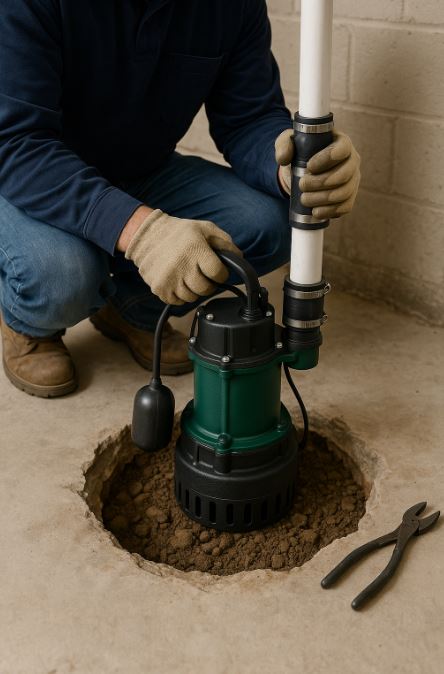 Sump Pump Installation in Toronto
Sump Pump Installation in Toronto
Sump Pump Installation in Toronto
Sump Pump Installation in Toronto
Sump Pump Installation in Toronto
Sump Pump Installation in Toronto
Sump Pump Installation in Toronto
Sump Pump Installation in Toronto
Sump Pump Installation in Toronto
Sump Pump Installation in Toronto
Sump Pump Installation in Toronto
DryNest Sump Pump Installation Process
-
Step 1

Site Inspection and Assessment
A technician reviews symptoms, tests the discharge line, and checks for obstructions or airlocks. You’ll get a written scope with model recommendations, timeline, and safety notes. Our professional crews bring deep field experience and explain each step before work begins.
-
Step 2
Sump Pit Preparation
We prepare the pit with proper sizing, a durable liner, and a gravel bed to support flow. If the existing basin is undersized or poorly placed, we relocate it for better capture and quieter operation.
-
Step 3
Pump Installation and Sealing
The unit is fitted, leveled, and sealed to the lid with a tight grommet for the discharge. We set the float height for optimal on/off cycling to extend motor life and reduce nuisance starts.
-
Step 4
Check Valve and Power Connection
A high-quality check valve is installed to stop backflow, and the dedicated electrical connection is tested for GFCI and power stability. Where needed, we add a backup controller and battery charger on a tidy bracket.
-
Step 5
Testing and Backflow Prevention
We simulate storm load, watch the cycle, and confirm the line’s one-way flow. If local code requires additional protection, we integrate approved backflow components and document the configuration for your records.
-
Step 6
Surface Restoration
Once the sump pumps installation process is over, the concrete is finished flush, the floor coverings are re-laid where possible, and the workspace is left clean. We review maintenance tasks and provide a quick reference so you can spot small issues before they grow.
Key Signs You Should Replace Your Sump Pump
1. Standing water: Pooling near the basin or cove joint signals that the unit isn’t keeping pace. Persistent moisture risks hidden damage to finishes and framing.
2. Musty odors: A sour smell hints at stagnant water in the pit or a partial blockage. Quick checks keep air quality healthier and reduce mold risk.
3. Visible rust or corrosion: Rusting metal or discolored fasteners indicate age and potential seal wear. Address early to avoid surprise failure during a storm.
4. Loud noises: Grinding, rattling, or squeals point to bearing wear or debris in the impeller. The fix might be simple, but waiting can shorten motor life.
5. System failure: Short cycling, tripped breakers, or nonstop running are red flags. A diagnostic visit identifies the cause and protects against repeated issues.
6. Age of Pump: Most units last 7–10 years in typical homes. Heavy-duty sites face more cycles. Proactive new sump pump basement installation avoids late-night calls.

Why Choose DryNest Sump Pump Installation Services?
-
Clean Work, Clear Answers: Homeowners value professionalism. DryNest delivers both with organized scheduling, courteous crews, and honest communication.
-
Full-Service Installation & Upgrades: We install new sump pump systems, upgrade control packages, and service existing units throughout Toronto and the GTA.
-
Emergency Support: If your pump fails unexpectedly, our emergency line is monitored 24/7. A technician will guide you through safety steps while we dispatch assistance.
-
Tailored Solutions: From quiet residential models to heavy-duty builder-grade motors, our Toronto sump pump installers ensure proper setup and performance testing under real conditions.
Licensed Waterproofing Professionals You Can Count On
Get A Free EstimateDryNest Basement Flooding Protection Rebate Program
Many municipalities offer incentives for resilience upgrades. Our sump pump services include helping homeowners assemble complete applications, so reviews go smoothly and reimbursements arrive sooner.
How DryNest Helps You Qualify:
-
Ensure the work is code-compliant and performed by licensed plumbing contractors.
-
Provide detailed invoices, photo records of the sump pump installation process, and, when relevant, camera footage.
-
File required permits and prepare a complete package for the rebate team.
Requirements to Qualify:
-
A licensed contractor must perform the work.
-
A detailed invoice and proof of payment are required.
-
City permit and final inspection documents are needed.
-
The home must include below-grade plumbing at risk of flooding.
Sump Pump Maintenance
Regular sump pump maintenance is essential to keep your basement dry and your system running when it matters most. Our Toronto technicians inspect and clean the basin, test float switches, check discharge lines, and verify backup power systems to ensure reliable performance year-round. Preventive maintenance not only extends your pump’s lifespan but also helps you avoid costly water damage and emergency repairs during heavy rainfall.

What Maintenance Includes
-
Regular Inspection: Visual checks of the system, float action, lid seals, and discharge line.
-
Testing: Fill-cycle tests each season to confirm switch sensitivity and runtime.
-
Cleaning: Debris removal from the pit and strainer to prevent clogs and overheating.
DryNest Maintenance Support
-
Professional Check-Ups: Post-sump pump installation visits from trained techs with real-world experience.
-
Battery Backup System Maintenance: Load testing and charger verification for dependable backup.
-
Replacement: Guidance on model selection when a unit nears end-of-life or shows repeat issues.
How much does it cost to install a sump pump in Toronto?
Key factors that influence estimates:
-
Existing pit and setup
-
Type and capacity of the pump
-
Complexity of installation
-
Material and labour rates in Toronto
-
Additional services required
-
Subsidies or rebates available
Average Cost Range
Sump pump installation in Toronto generally costs between $1,750 and $3,500 for a typical professional installation. Pricing of basement sump pump installation in Toronto depends on model type, basin sizing, discharge length, and electrical access. During your estimate, we provide a written range and outline add-ons like alarms or battery backups. For detailed guidance, see our upcoming pricing guide that breaks down factors affecting sump pump installation cost and planning tips for multi-phase projects.
Free Estimate + Rebate Support
DryNest offers a free consultation and quote, including a rebate eligibility check. Our team guides you through the entire process, from permit filing to final inspection – so your installation qualifies without hassle.
Free Sump Pump Installation Consultation
Wherever you are in Toronto or in the GTA, our team can help. A coordinator will schedule a convenient visit, review your setup, and explain options for sump pump installation in basement spaces, quiet operation, reliable backup, and code-compliant routing, so you can choose with confidence.
Get A Free Estimate-
Site Evaluation
-
System Compatibility
-
Moisture & Risk Assessment
-
Pump Selection & Power Setup
-
Code & Permit Review
-
Installation Plan & Cost Estimate
FAQs About Sump Pump Servicing
Can a sump pump handle heavy rainstorms?
Yes, if the sump pump installation was done properly. We match capacity to local conditions and recommend backup for peak events.
Is it necessary to have a backup sump pump?
Yes, a battery or water-powered unit reduces outage risk and helps prevent damage during prolonged storms.
Who installs sump pumps?
Licensed waterproofing and plumbing specialists like DryNest handle the work, from basin prep to electrical checks.
Can sump pumps prevent all basement flooding?
No, extreme events can exceed design limits. We mitigate risk with robust system design, alarms, and site grading.
Do you need a plumber to install a sump pump?
Yes, for code compliance and safety, a licensed pro is recommended, especially where electrical and plumbing tie-ins are required.
When should a sump pump be installed?
Install when you add a drainage path, finish a lower level, notice rising water, or after significant storms, or expose an issue.
How deep should a sump pump be?
The basin should reach the collection zone of your drains and allow proper float travel without short cycling. Our team sets the depth during the installation of the sump pump in the basement planning.