
 Contact Us
How To Fix Water Leaking Into Basement After Heavy Rain
Basement Waterproofing December 20, 2025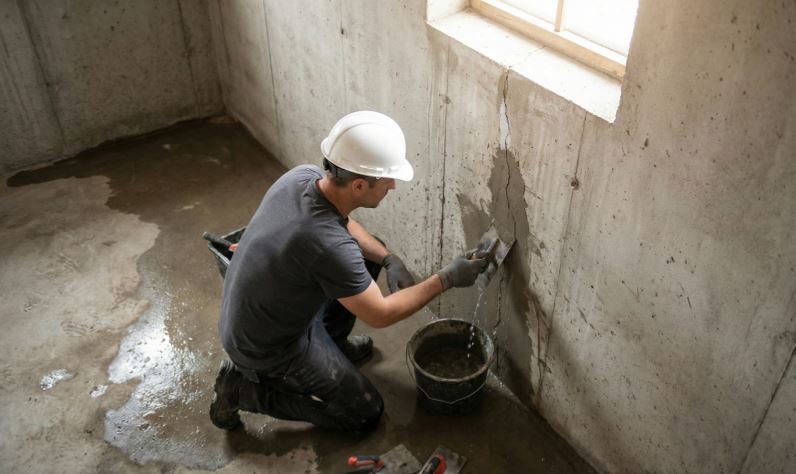
For many homeowners, a heavy downpour brings more than just the sound of rain on the roof; it brings the dread of a wet basement. Discovering water leaking into basement after heavy rain is a common yet stressful issue that requires immediate attention to prevent long-term damage. Understanding the mechanics of how water moves through the soil and enters your home is the first step toward a permanent solution.
Causes Of Water in Basement After Heavy Rain
Several factors can lead to water in the basement after rain, ranging from external drainage failures to structural weaknesses. By recognizing these causes, you can better understand how to fix water leaking into the basement after heavy rain effectively.
Hydrostatic Pressure
One of the most powerful forces of nature affecting your home is pressure. As the soil surrounding your home becomes oversaturated during a storm, it creates what is known as hydrostatic pressure. This force exerts immense weight against your basement wall structures. If there is a crack or a weak point, this pressure will eventually push moisture and liquid through the concrete. Often, you will notice water seeping through the wall when it rains because the external force is simply too great for an untreated foundation to withstand. Over time, this constant cycle of wetting and drying can cause a small crack to expand into a major structural issue.
Window Well Issues
If your basement has windows, they are potential entry points for water coming into the basement when it rains. Significant basement leaks during severe rains might result from window wells that are damaged or fitted incorrectly. The well fills up like a fish tank if the internal drain is blocked by leaves or other debris. You’ll notice a waterfall effect inside your house when the level becomes high enough that the window seals can no longer control the volume. A crucial component of your home’s protection system is making sure every window has a working barrier and a clear drain.
Faulty or Clogged Gutters and Downspouts
In order to divert rainwater away from your house, gutters are essential. Water can overflow and collect close to the foundation if the drains are broken, installed incorrectly, or clogged, which raises the possibility of basement leaks. Gallons of water are dumped right next to your wall when gutters collapse, rapidly soaking the ground. In the same way, downspouts that are too short release all of that volume at the house’s base. One of the main causes of water seeping into the basement after a lot of rain is this localized flooding. Many seepage issues can be resolved with proper gutter care and making sure downspouts are at least five to ten feet away from the building.
Inefficient Waterproofing
Heavy rain can seep through the walls or floor and cause leaks if the basement was not sufficiently waterproofed during construction or if the waterproofing materials have deteriorated over time. An exterior or interior moisture barrier is typically required by modern residential standards, but older structures frequently lack these safeguards. The concrete behaves like a sponge in the absence of an appropriate solution. Homeowners can reduce the danger of basement leaks during periods of heavy rain by taking care of several frequent problems, such as enhancing drainage, fixing foundation cracks, maintaining gutters, controlling hydrostatic pressure, and making sure sufficient waterproofing is in place.
Follow this step-by-step guide to identify the cause, take immediate action, and protect your home
What to Do If Water Leaking Into Basement After Heavy Rain
Finding a puddle in your basement is a call to action. To minimize damage and start the recovery process, follow these proactive steps.
1. Find the Source of Leak
Your first task is to identify exactly where the water coming into basement when it rains is originating. Check the base of each wall, look for any visible crack in the concrete, and inspect the floor area. Sometimes, the source is obvious, like a window well, but other times it may be water seeping through wall when it rains in a slow, steady trickle. Use a flashlight to check corners and behind appliances.
2. Proactive Defense
If you are dealing with water leaking into the basement after heavy rain diy style, you need to clear the area immediately. Move furniture and valuables to a dry floor or a higher level of the house. Use a wet-dry vacuum to remove standing water. If you see water coming up through the basement floor after heavy rain, it may indicate a rising water table, which requires a more robust interior drainage service.
3. Clean and Maintain Gutters
Check your gutters for blockages. Even a small amount of debris can cause a massive overflow. If the rain is still falling, safely ensure that the gutters are actually carrying water to the downspouts rather than letting it spill over the sides. This simple maintenance task is often the most effective water leaking into the basement after heavy rain diy fix available.
4. Direct Water Away from Your House
Ensure your downspouts are clear and pointed away from the foundation. If they are dumping water too close to the home, use temporary extensions to move the discharge further into the yard. This reduces the soil saturation and lowers the hydrostatic pressure against your basement.
5. Slope the Ground Surrounding Your Home
Look at the soil grading. The landscape around your home should slope away from the foundation to prevent water from pooling around it. Inadequate or reversed grading can direct water towards your home, risking basement flooding. If you notice water pooling against the wall, you may need to add more soil to create a positive slope.
6. Cover Basement Windows
Examine the drain within a window well if that’s the problem. Installing a window well cover might be necessary to keep debris from blocking the system in the future. Even during periods of heavy rain, a strong cover keeps the area dry and serves as a barrier against the weather.
7. Longstanding Solutions
While DIY steps help in an emergency, long-term safety requires professional intervention. If you experience water coming up through the basement floor drain after heavy rain, your home’s existing drainage might be failing. Seeking a professional service to evaluate your foundation and drainage system is the only way to ensure the issue doesn’t return during the next storm.
Discover the hidden risks of untreated basement water leaks
Dangers Of Ignoring Water in Basement After Heavy Rain
It can be tempting to just mop up the water in the basement after heavy rain and hope for the best, but ignoring the problem leads to severe consequences.
- Structural Damage: Water leaks erode the foundation of your basement, resulting in sinking, sagging walls, and fractures. Repairing this damage might get costly. Waterproofing your basement is crucial to stopping additional damage and safeguarding the structural integrity of your house. Eventually, a horizontal or vertical fissure may jeopardize the building’s overall safety.
- Decreased Property Value: The value of your property is reduced by moisture problems. These issues are taken into account by appraisers and buyers when evaluating a house. Resolving waterproofing issues protects your investment and, over time, preserves or raises the market value of your property.
- Pest Infestations: Insects and rats are among the many pests that thrive in damp basements due to their moisture-rich environment. In addition to being an annoyance, these unwanted visitors may also cause property damage and health hazards.
How To Prevent Basement Water Leakage in Future?
Prevention is the most cost-effective solution for any homeowner. To stop water in basement after rain from happening again, consider these essential upgrades.
- Ensure Proper Landscape Grading: Water should be directed away from the house by the design of your property. The soil should slope away from the framework of your house, or have a positive grade. Water can collect along the walls of your basement and seep inside if the grade is negative.
- Maintain Gutters & Downspouts: Maintaining your gutters and downspouts on a regular basis is essential to stopping water from leaking into your basement. Make sure they are securely fastened to the eaves and free of foliage.
- Install a Sump Pump: Sump pumps sit at the lowest part of your basement and gather and channel water away from your home. They work best when paired with an interior drainage system. For reliable protection, consider a professional sump pump installation to keep your floor dry during the heaviest storms.
- Waterproof your Basement: Creating a dry environment often requires an interior waterproofing system to manage seepage or an exterior waterproofing service to provide a waterproof barrier on the outside of your walls.
- Repair Foundation Cracks: Do not ignore a visible crack in your concrete. Even a small opening can lead to significant water in basement after heavy rain. Professional foundation repair ensures that every crack is sealed and the structure is reinforced.
- Airtight Windows and Window Well Covers: Prevent flooding through your windows by opting for a professional Window Well Installation. This includes adding covers and ensuring the drain is connected to a proper discharge system.
- Add Extensions to Downspouts: Make sure the water leaving your gutters is sufficiently removed from the ground close to your walls. Extensions are a straightforward yet efficient method of lowering hydrostatic pressure.
Why Homeowners Trust DryNest
At DryNest, we understand that your home is your most valuable asset. When you face an issue like water leaking into basement after heavy rain, you need a team that offers more than just a temporary fix. We provide comprehensive residential waterproofing and foundation repair services tailored to your specific needs. Our experts use the latest technology to identify the source of moisture and implement a lasting solution. Don’t wait for the next storm to cause more damage-contact us today for a free estimate and take the first step toward a dry, healthy home.
FAQ
How do I stop water coming from my basement after heavy rain?
Start by cleaning your gutters and extending downspouts. If the problem persists, you likely need a professional sump pump or foundation repair to address the water entry.
Why does water leak through walls when raining?
This usually happens because of hydrostatic pressure. Saturated soil pushes against the foundation, forcing water through a small crack or porous concrete during a heavy rain event.
How to fix water leaking into basement after heavy rain DIY?
You can temporarily fix leaks by improving yard grading and sealing a small crack with hydraulic cement. However, permanent solutions usually require professional interior or exterior waterproofing.
Is it normal to have water in the basement after heavy rain?
It is common in many homes, but it is not normal or safe. Any amount of moisture can lead to mold and structural damage if not properly addressed.
More Articles
Book your free estimate with DryNest now – no hidden fees, no pressure.
Get a Free EstimateContact us
Tell us a bit about your home — our team will get back with a free inspection time and next steps.
Etobicoke ON M8V 0A3
Canada