
 Contact Us
What to Do When Sump Pump Overflows?
Basement Waterproofing December 25, 2025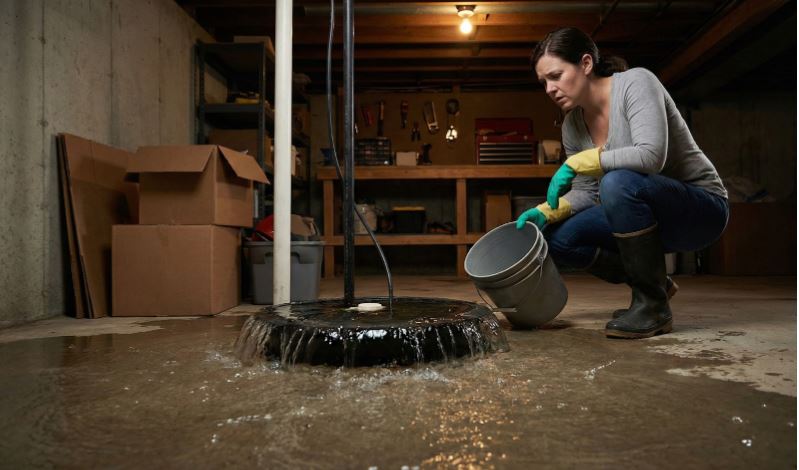
When facing a sump pump overflow, quick action prevents extensive damage to your home’s foundation and basement. This common issue during heavy rain or outages disrupts normal discharge, leading to water buildup in the pit. Homeowners often panic, but systematic checks restore function. Understanding what is sump overflow-essentially backflow or overload-helps you respond effectively. For lasting reliability, consider professional sump pump installation to match your property’s needs and avoid future disruptions.
Steps to Take When a Sump Pump Overflows
Act promptly with these steps to address a sump pump overflowing and minimize flood risk.
1. Ensure Power Supply
Power outages rank as the top trigger for sump pump overflow, halting operation when water levels rise. Start by verifying your home’s electricity supply and inspecting the sump pump fuse or circuit breaker for trips. Reset if needed, but test cautiously to avoid shocks. If power seems fine yet the pump fails, a deeper electrical fault may exist. Installing a battery backup pump provides continuous power during outages, ensuring discharge even in storms. This protection safeguards against sump pump basement flooding, especially in outage-prone areas. Consult experts for safe power checks and reliable backup installation.
2. Restart the Sump Pump
A simple restart often resolves temporary sump pump overflow glitches from overload or minor faults. Unplug the unit for 2-3 minutes, then reconnect to reset electronics and clear glitches. This quick fix mimics a power cycle, potentially reactivating the motor for normal discharge. However, if issues persist, avoid repeated attempts-seek professional inspection to diagnose root causes like worn components. Many regions, including Toronto, Mississauga, Burlington, and Oakville, incentivize upgrades with sump pump rebates, making battery backups affordable. Pair this with routine maintenance for long-term reliability against outages.
3. Restart the Motor
Mechanical hitches can cause sump pump overflowing by stalling the motor despite power. Disconnect from the outlet first for safety, then gently lift the float switch to its highest position-this may free a stuck mechanism and restart flow. If the motor hums but doesn’t pump, debris or impeller issues block progress. What to do when sump pump overflows like this? Test operation post-reset; persistent silence signals repair needs. Professionals handle motor diagnostics, ensuring proper valve function and discharge line clearance. Regular checks prevent such problems during peak rain.
4. Check the Overflow Valve (Check Valve)
The check valve prevents reverse flow, but clogs lead to sump overflow by allowing discharge water back into the basin. Inspect this component on the discharge pipe for debris buildup, which hampers sealing. Sometimes, the pipe above the valve clogs first, mimicking valve failure. Disconnect power, remove obstructions with a tool, and test flow. Proper valve maintenance supports sump pump overflow protection, especially post-storm. If damaged, replacement restores efficiency. Combine with weeping hole cleaning for full system health, avoiding sump pump full of water scenarios.
5. Examine the Float Switch
A jammed float switch fails to signal the pump, causing sump pump discharge overflow as water rises unchecked. Check for free movement-debris like silt often binds it. With power off, clear blockages around the switch arm, ensuring it bobs unrestricted from low to high positions. This activates timely pumping, preventing basin overload. Routine inspection spots wear early, tying into broader maintenance. If stuck repeatedly, upgrade during professional service for robust operation amid high water tables or heavy rain.
6. Clear the Weeping Hole
The weeping hole on the sump pump overflow pipe releases air, preventing motor lockup and ensuring smooth discharge. Blockages here trap pressure, contributing to a sump pump filled with water. Locate this small opening above the valve, unplug the pump, and flush debris with water or a wire. Clearing it maintains airflow, bolstering overall protection. Weeping hole cleaning is essential maintenance, especially pre-winter, to avert frozen or clogged issues. Pair with valve checks for comprehensive drain health.
7. Inspect the Impeller & Basin
Debris-packed impellers stall pumping, leading to sump pump is full of water and potential flood. Always unplug before lifting the pump from the basin to access the impeller at its base. Rotate by hand-if resistant, remove gravel or roots blocking spin. Clean the basin too, ensuring clear intake. This restores power-efficient operation between impeller and discharge line. How long does it take for a sump pump to overflow? Minutes in heavy inflow without impeller freedom. Professional inspection prevents recurrence.
8. Clean the Sump Pump Discharge Line
Clogged discharge lines cause sump pump overflow drain backups, pooling water outside or inside. Unplug, lift the pump, and snake the line from basin end to exterior outlet. Check for leaves, ice, or sediment; flush thoroughly. External ends often freeze or trap debris, halting flow. Clearing ensures water drains away from the foundation. Why is my sump pump overflowing despite other fixes? Often this line. If complex, call for repair service to avoid damage. Regular cleaning integrates with full maintenance.
What Else Might be Causing Sump Pump to Overflow?
Excess inflow overwhelms systems, like too much water flooding the pit faster than discharge capacity. Properties with high groundwater may need multiple pumps. Undersized units run overtime, heating up and failing-right sump pump size matches your drain volume and power needs. Installation flaws exacerbate this, so evaluate during inspection.
Discover the most common causes of sump pump overflows
Common causes of sump pump overflows
Understanding what is sump overflow requires looking at the most frequent triggers:
- Power Outages: Units rely on electricity and can experience a sump pump overflow during storms without backup power.
- Mechanical Failure: Worn-out components like the motor can lead to the unit being full of water without pumping.
- Clogged Pipes: Debris in the drain or discharge pipes hinders effectiveness.
- Improper Pit Size: An undersized basin may not hold enough liquid, causing a sump pump overflowing situation.
- Frozen Discharge Line: In cold climates, ice prevents liquid removal, leading to a sump pump filled with water.
- Heavy Rainfall: Extreme weather can simply overwhelm the system’s capacity.
Sump Pump Overflow Protection Tips
Debris erodes impellers over time, so clean filters regularly during maintenance. Check valves stop backflow into the basin, vital for discharge control. Weeping hole cleaning prevents air locks and sump pump overflow drain issues. Power outages dominate causes, often storm-linked, risking basement flood without intervention.
Battery backups sustain operation through outages, but pair with troubleshooting know-how. This shields against mechanical fails, keeping your foundation dry via timely service and protection measures.
Discover the most useful tips to prevent sump pump overflow
How to Prevent Sump Pump Overflow
- Regular Maintenance: Clean pump, pit, float switch; test cycles quarterly. Early inspection catches debris or wear, averting sump pump overflowing.
- Backup Power Source: Battery systems or generators ensure runtime during outages (6-10 hour capacity ideal), preventing sump overflow.
- Proper Sizing and Installation: Match pump horsepower to water volume; pros handle height, slope, and discharge line setup for optimal drain.
Why Homeowners Trust DryNest
DryNest excels in basement waterproofing, offering expert sump pump repair, replacement, and free estimate services. Their teams tackle power issues, clogs, and improper setups swiftly, using quality backups and valves. Homeowners value fast response, transparent pricing, and proven protection against flood-ensuring dry foundations time after time.
FAQ
How long does it take for a sump pump to overflow?
Typically 10-30 minutes during heavy rain or outages if the pump fails, depending on inflow rate and basin size.
Why is my sump pump overflowing?
Commonly power outages, clogs, stuck floats, or undersizing-check backup and discharge first.
What happens if a sump pump overflows?
Water floods basement, damaging floors, walls, foundation; risks mold and electrical hazards.
How to fix sump pump flooding?
Restart power, clear debris/valves, clean discharge; call pros for repair if persistent.
Why is water constantly pouring into my sump pump?
High water table, poor yard drain, or foundation cracks overwhelm the pit.
How to keep sump from overflowing?
Install backup power, maintain regularly, size correctly, clear weeping holes/valves.
How much water should be sitting in my sump pump?
2-6 inches idle; pit holds up to 24 inches before activation.
More Articles


Book your free estimate with DryNest now – no hidden fees, no pressure.
Get a Free EstimateContact us
Tell us a bit about your home — our team will get back with a free inspection time and next steps.
Etobicoke ON M8V 0A3
Canada