
 Contact Us
Signs of Weeping Tile Problems
Basement Waterproofing December 30, 2025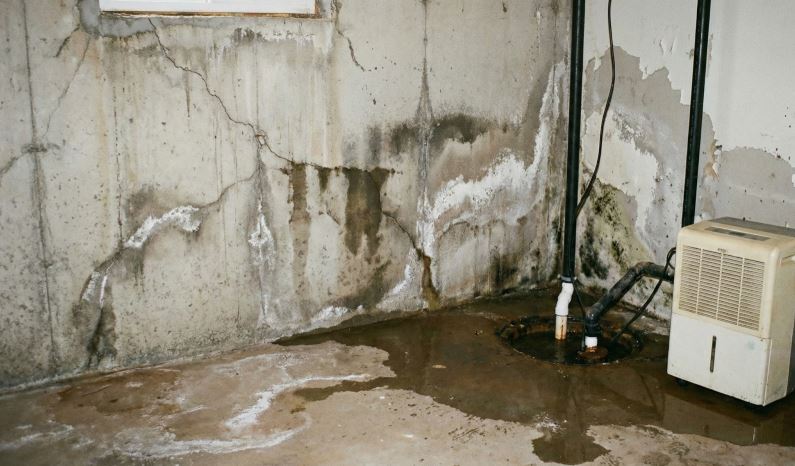
Have you ever pondered what weeping tiles are and their role in shielding your property? These perforated conduits create a critical drainage network around your foundation, intercepting groundwater and guiding it elsewhere to avert disasters. Usually embedded in gravel layers topped with a filter membrane, they gradually release surplus water toward a sump pump or outlet, guarding against hydrostatic pressure, cracks, and inundation.
Identifying signs of weeping tile problems promptly, such as steady drips or sump pump fatigue-avoids hefty repair bills and foundational harm. Dismissing these alerts can trigger worsening troubles: think damp walls fostering mildew growth, soil erosion undermining stability, and unchecked flooding.
This article details what weeping tile is for basement safeguarding, uncovers vital clues of weeping tiles leaking basement zones, and stresses the value of prompt weeping tile inspection. From vintage clay setups to contemporary plastic pipes, forward-looking actions guarantee enduring waterproofing.
What is a Weeping Tile System?
Your weeping tile system acts as a perimeter drain, capturing surplus groundwater before it threatens the foundation. Typically featuring perforated plastic pipes nestled in gravel with a filter membrane, it routes water to a sump pump or sewer line.
Outside versions tackle surface runoff, whereas interior basement weeping tile captures sub-slab moisture. Expert installation allows controlled water release, countering hydrostatic pressure that might otherwise spawn cracks.
Why Weeping Tile Problems Shouldn’t Be Ignored
Before diving into the signs of trouble, it’s important to understand the function of weeping tiles.
Weeping tiles are perforated pipes installed around the perimeter of your home, either on the interior or exterior of the foundation. Their purpose is to channel water away from the foundation, either to a sump pump or a municipal drainage system. When functioning properly, they help prevent:
- Basement flooding
- Foundation cracks
- Mold and mildew growth
- Soil erosion around the home
However, when weeping tiles become clogged, damaged, or overwhelmed, they lose their effectiveness, potentially leading to water damage, foundation issues, or costly repairs.
Key Signs of Weeping Tile Problems
1. Persistent Basement Leaks
Continuous seepage during minor showers marks a prime sign of weeping tile problems. Your drainage setup struggles with inflow, permitting unrelenting moisture penetration.
2. Damp or Wet Walls
Post-rain dampness on basement walls highlights weeping tile shortcomings in moisture diversion. Ongoing wetness spikes humidity levels and encourages mildew growth.
3. Foundation Cracks
Expanding cracks in the foundation frequently result from trapped hydrostatic pressure linked to weeping tile issues. These fissures invite further water, amplifying deterioration.
4. Sump Pump Overload
Constant sump pump cycling or spillage signals weeping tile problems, flooding the system. Obstructions redirect volume to the pump, threatening failure.
5. Mold or Mildew Growth
Persistent dampness from faulty weeping tiles breeds mildew growth in basements. Foul smells and surface patches necessitate urgent weeping tile inspection.
6. Soil Erosion or Pooling Water Outside
Visible soil erosion or pooling water outside near walls indicates drainage failure. This external sign of weeping tile problems compromises footing integrity.
7. Slow Draining Water in Basement Drains
Lagging or bubbling basement drains reveal weeping tile clogs impeding flow. Stagnation emerges as yet another sign of weeping tile problems.
8. Higher Humidity Levels in the Basement
Unusually high humidity level readings in the basement often link to underperforming weeping tiles. This environment nurtures wet walls and hastens mildew growth.
Discover the most common causes of weeping tile problems before serious damage occurs.
Common Causes of Weeping Tile Problems
Multiple triggers undermine weeping tile performance. Key culprits include:
- Clogged Weeping Tiles: Silt, roots, and scale accumulate in plastic pipes, obstructing flow and sparking overflows.
- Improper Installation: Inadequate pitch, absent gravel, or a lacking filter membrane invites rapid breakdown from groundwater assault.
- Aging Materials: Decades-old clay pipes fracture, and plastic variants wear thin, fostering leaks and reduced efficiency.
- Insufficient Maintenance: Neglecting regular inspections permits sump pump glitches to evolve into widespread flooding.
- Heavy Rainfall or Flooding: Intense downpours saturate the system, worsening blockages and prompting soil erosion or pooling water outside.
Preventative Measures
Preventing weeping tile problems hinges on consistent upkeep and forward-thinking strategies. These straightforward practices significantly lower the chances of leaks, flooding, and foundation damage long-term.
- Regular inspections: Arrange weeping tile inspection every 1-2 years to spot clogs, cracks, or sluggish drainage early and prevent major issues.
- Gutter maintenance: Regularly clear gutters and position downspouts to divert roof water far from the foundation, easing the load on your drainage system.
- Install a drainage screen: Add a filter membrane or screen at pipe entrances to block dirt, leaves, and sediment from clogging the weeping tiles.
- Monitor your sump pump: Check sump pump function monthly, ensure proper cycling and discharge, and install battery backups for storm or outage protection.
How to Confirm If Your Weeping Tile System Is Failing
Precise diagnostics uncover your weeping tile system’s actual state, eliminating speculation. These reliable methods separate small glitches from critical breakdowns before damage spirals.
- Camera Inspection: Pros insert a weeping tile inspection camera into the pipes, spotting blockages, fractures, or wear without disruptive digging.
- Water Test: Pour specific water volumes to gauge flow efficiency and sump pump response, instantly highlighting delays or restrictions.
- Check the Sump Pump Connection: Examine pipe-to-sump pump links for gaps, cracks, or disconnections that disrupt drainage and cause basement flooding.
Discover when weeping tile repair is enough and when full replacement is needed.
Repair and Replacement Options
Choose fixes based on the damage’s scope and position for optimal results.
- Weeping tile flushing: Powerful water jets blast through debris in intact plastic pipes, reviving flow as an initial repair when the structure remains solid.
- Localized repair: Camera-detected isolated cracks or shifts get fixed via selective digging and section swaps, avoiding full system overhaul.
- Full system replacement: Crumbling clay tiles, total collapses, or repeated breakdowns demand complete renewal with durable plastic pipes, gravel bedding, and filter membranes for lasting drainage.
- Adding waterproofing membranes: Apply exterior membranes to foundation walls alongside weeping tiles to block seepage, enhancing defense against groundwater and flooding.
When to Call a Professional
Certain basic tasks like sump pump testing fall within DIY territory, but most weeping tile problems demand expert intervention. Consider reaching out to professionals in these scenarios:
- Ongoing Moisture Challenges: When basement dampness lingers despite your troubleshooting, schedule a professional weeping tile inspection for accurate diagnosis.
- Major Repair Work: Weeping tile repair or replacement typically requires digging, heavy machinery, and precise waterproofing techniques beyond homeowner capabilities.
- Mold Infestations: Experts handle both drainage fixes and mold removal, restoring a healthy basement environment-DryNest provides complete solutions.
Contact DryNest today for a free estimate to address your weeping tile concerns professionally.
FAQ
How do you tell if your weeping tile is clogged?
Pour water by the foundation; a delayed sump pump or pooling signals blockages.
What happens when a weeping tile fails?
Moisture accumulates, sparking cracks, flooding, mildew growth, and erosion.
What is the life expectancy of a weeping tile?
Modern plastic endures 50+ years; clay versions 20-50 with care.
How to tell if there is water damage under weeping tile?
Spot moist floors, odors, or salt deposits; use camera for verification.
Does weeping tile need to be replaced?
Indeed, for total collapse, heavy clogs, or age beyond 50 years.
How much does it cost to repair a weeping tile?
Ranges $5K-$15K by extent; replacements from $10K upward.
How does water get into a weeping tile?
Rainfall percolates through holes into gravel, channeling to sump pump.
Can I fix a clogged weeping tile myself?
Surface issues possible with flushing; internal needs pro camera work.
How long does a weeping tile system last?
50-70 years typically, bolstered by regular inspections and upkeep.
More Articles
Book your free estimate with DryNest now – no hidden fees, no pressure.
Get a Free EstimateContact us
Tell us a bit about your home — our team will get back with a free inspection time and next steps.
Etobicoke ON M8V 0A3
Canada