
 Contact Us
How To Waterproof Basement From Inside
Basement Waterproofing December 15, 2025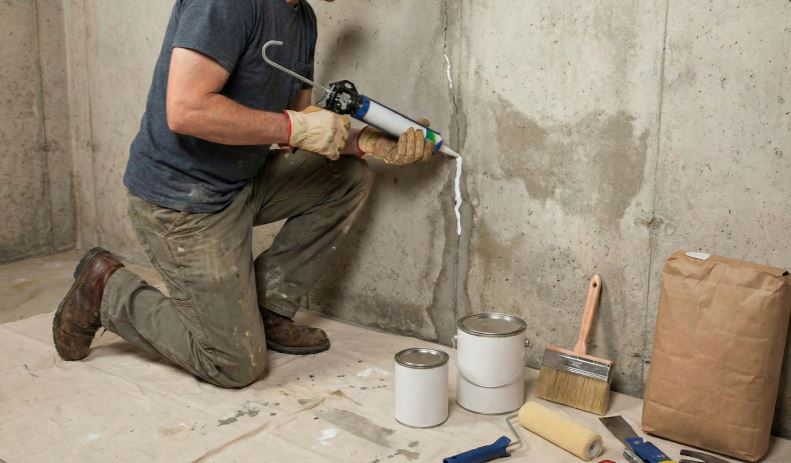
A damp basement is rarely just a little humidity. If you notice wet patches, peeling paint, or musty odors, the real goal is to stop the source and build a reliable solution for waterproofing the basement from inside. This guide explains why basements get wet, how to prep and coat walls correctly, and which repair methods work best when exterior excavation is not practical.
Main Causes of Basement Leaks
1. Hydrostatic Pressure
When the soil is too wet, hydrostatic pressure pushes against walls that are below grade. Even tiny problems might let water in. This is one of the most prevalent reasons why basements become wet again and again, causing long-term damage, especially after heavy rain or melting snow.
2. Clay Bowl Effect
Homes built in clay-heavy soil may experience the clay bowl effect. Clay holds water close to the home, increasing pressure and keeping the surrounding areas wet for longer periods. Over time, this creates persistent damp conditions and makes small wall defects worse.
3. Porous Concrete Walls
Many basements have porous concrete. Even when you cannot see a major defect, water vapor can migrate through the wall. Porous surfaces also reduce how well coatings adhere unless you prepare the surface properly and choose the right masonry waterproofing product.
4. Dampproofing Issues
Older homes often have deteriorated dampproofing or incomplete exterior protection. Dampproofing is not the same as waterproofing; it may slow moisture, but rarely stops water under pressure. When it fails, interior methods must compensate with better prep, sealing, and drainage control.
5. Footing Drains & Perimeter Systems
If footing drains are clogged or missing, water builds up at the base of the wall. A blocked perimeter system can turn normal groundwater into a regular leak issue. In these situations, managing flow with a proper drain approach is often more effective than wall coating alone.
6. Plumbing Problems
Not every basement leak comes from outside. A slow plumbing leak, failing hose bib, or condensation on cold lines can keep areas wet. This is common near laundry rooms, utility spaces, and mechanical closets and can mimic wall seepage.
7. Window Wells
Window wells that don’t drain well collect rainwater and send it toward the window frame. When caulk cracks, seals fail, or window well drains get clogged, water can leak in and harm things in a small area that seems like a wall problem but is really a window problem.
8. Foundation Cracks
Water can get in through a fracture in the wall or floor slab. Some cracks are just for looks, but others signify that something is moving. In either case, cracks should be sealed properly and then watched so you can see changes early.
Find out how to waterproof your basement from the inside
Steps For How to Waterproof Basement From the Inside
Below is a practical checklist for how to fix a leaky basement wall from the inside. If you’re looking for how to fix leaking foundation wall from inside, follow these steps and review the short explanation for each one.
- Inspect and Prepare the Walls. Identify where water is entering: wall seams, floor joints, tie holes, cracks, and around window openings. Remove loose paint, efflorescence, and deteriorated patching. A clean, sound surface is essential; coatings fail quickly if applied over dust, salts, or flaking layers.
- Apply a Waterproofing Primer. Use a primer designed for masonry so the coating bonds to concrete or block. Primers help stabilize porous surfaces, reduce uneven absorption, and improve adhesion-especially important when the wall is chalky or has been previously painted.
- Select the Right Waterproofing Product. Choose based on your situation: cementitious coatings for masonry, elastomeric coatings for minor movement, and injection products for cracks. If you have active seepage, don’t rely on paint-like products alone-pair them with drainage controls and crack sealing for a complete solution.
- Apply the Waterproofing Product. Follow product instructions closely. Apply at the required thickness, work material into pores, and pay special attention to joints and penetrations. For many systems, two coats are required, and the second coat should be applied after the first sets but before it fully cures.
- Allow Adequate Drying Time. Do not rush curing. Many failures happen because the surface stays damp or the coating is exposed to pressure before it cures. Keep the area dry during curing and avoid trapping humidity behind plastic sheeting unless the system specifically requires it.
- Verify Coverage and Sealant Integrity. Inspect for pinholes, thin areas, and missed corners. Check sealed cracks and joints for continuity. A strong interior system depends on uninterrupted coverage and intact sealant lines, especially at the cove joint where the wall meets the floor.
- Maintain Ventilation and Dehumidification. Even after basement waterproofing from the inside, basements can remain humid. Use ventilation and a dehumidifier to keep the area dry, reduce odors, and protect stored items. Controlling humidity also helps prevent mold and keeps coatings performing better long-term.
Discover the most common repair methods for basement leaks
Repair Methods for Basement Leaks
1. Sealing Foundation Cracks
Cracks can be sealed with polyurethane or epoxy injection, depending on whether movement is expected. Injection can stop active leaks and restore continuity, but it must be done properly-wrong ports, poor surface prep, or incomplete fill often lead to repeat issues.
2. Interior Sealant
High-quality interior sealants and hydraulic cement can stop minor seepage at specific points, especially around penetrations. This is typically a localized repair, not a full system. Use it as part of waterproofing basement from inside, not as a standalone fix for broader seepage.
3. Encapsulation
Encapsulation (vapor barrier on walls/floors, sealed seams) can help manage humidity and keep the basement dry-feeling, but it does not “stop water under pressure by itself. It works best when paired with drainage and crack repair, so you are not trapping moisture behind a barrier.
4. Sump Pump Installation
A sump pump is a strong solution when water accumulates under the slab. It collects groundwater in a basin and pumps it out before it rises into the basement. For frequent seepage, pairing sump pump installation with interior drainage is often more durable than coatings alone.
5. Addressing Bowing Walls
Bowing walls can indicate serious structural stress. Waterproofing alone will not solve this. Options can include wall anchors, carbon fiber reinforcement, or other structural measures. If you see bowing, the priority is safety and a plan that addresses both structure and water management.
6. Drainage Systems
For long-term leak control, interior drainage systems work well. Water is directed into a pump basin via underfloor drains, peripheral channels, and French drains. These fixes assist in controlling leakage and lowering the possibility of further harm.
7. Yard Grading
Exterior grading may sound outside-only, but it is a key complement to interior work. Slope soil away from the home, extend downspouts, and reduce pooling near the wall line. Good grading reduces how much water reaches the foundation, so interior methods perform better.
How to Prevent Basement Leaks
Preventing leaks requires consistent maintenance and attention to how water moves around your home. Direct water away from the structure using clean gutters, properly attached downspouts, and long enough extensions. Ensuring the ground slopes away from the home reduces the strain on lower walls and helps prevent wet basements.
Interior or exterior drainage systems, such as a French drain, offer long-term protection and reduce the risk of future damage. If you want a reliable solution, consider French drain installation. Proper drainage placement helps redirect water efficiently and protects the lower level from persistent issues.
When dealing with recurring moisture problems, professional basement waterproofing services can identify problem areas, recommend comprehensive repairs, and prevent future leaks.
Regular inspections, proactive maintenance, and proper water control systems play a major role in keeping your basement dry and preventing costly structural problems.
Signs You Need Expert Help
DIY methods can be effective for small, controlled problems, but certain conditions require a professional assessment and a more comprehensive solution.
- Persistent water and moisture damage: ongoing wet walls, mineral deposits, or standing water indicate a system-level issue, not a one-off defect.
- Mold, mildew, or wood rot: signs of long-term moisture and air quality risk.
- Failed DIY attempts: if coatings, patching, or sealants did not last, the underlying pressure or drainage problem was not addressed.
- Large cracks or structural concerns: widening cracks, shifting walls, or bowing require structural review and targeted repair methods.
- You need clarity on scope and cost: a professional inspection helps you avoid spending on the wrong fix.
If the problem persists, look into leaky basement repair services that address both entry points and drainage behavior rather than only surface sealing. If you want to plan next steps confidently, request a free estimate and a clear outline of options based on your conditions.
FAQ
Can you waterproof a basement from the inside?
Indeed. When outside excavation is not feasible, interior techniques can minimize moisture, seal fractures, and stop seepage.
Is it better to fix a leaky basement from the inside or outside?
Both approaches are effective. While external solutions provide total protection but necessitate excavation, inside alternatives are more practical and reasonably priced.
What are the benefits of waterproofing my basement from the inside?
Interior waterproofing reduces disturbance, is reasonably priced, and offers dependable defense against a variety of typical leak patterns.
Can I waterproof my basement myself, or should I hire professionals?
DIY is possible for minor issues, but extensive leaks often require professional assessment and repair.
What types of products are used for interior basement waterproofing?
Sealants, masonry coatings, elastomeric coatings, and waterproofing systems made of cement are some of the most common items.
Can you fix a leaky basement from the inside?
Yes, you can fix a lot of leaks from the inside with sealants, drainage systems, and targeted crack repair.
How to fix a foundation leak from the inside?
To fix a leak in the foundation from the inside, you may need to patch cracks, put on waterproof coatings, and make the drainage better to lower the strain on the walls.
More Articles
Book your free estimate with DryNest now – no hidden fees, no pressure.
Get a Free EstimateContact us
Tell us a bit about your home — our team will get back with a free inspection time and next steps.
Etobicoke ON M8V 0A3
Canada